
Rohingya Rights & Advocacy: Stand for Dignity and Inclusion
Rohingya rights advocacy begins with a simple principle: every person deserves dignity, a voice in decisions affecting their life, and the opportunity to participate without discrimination. Global Rohingya Forum USA Inc. (GRF USA) includes raising awareness and advocating for Rohingya rights in its mission, alongside education and rehabilitation support.
On this page
You can contribute by learning from reliable sources, listening to Rohingya perspectives, sharing information responsibly, and discussing a suitable activity with our team. This page explains the issues behind our advocacy focus and practical ways to get involved. Specific campaigns, events, partnerships, and opportunities are confirmed directly with GRF USA before supporters act in the organization’s name.
What is Rohingya rights advocacy?
Advocacy means drawing attention to an issue, explaining why it matters, and encouraging an informed response. For Rohingya communities, that conversation includes dignity, nationality, freedom of movement, access to education and essential services, participation, and protection from discrimination. The purpose is to recognize people as rights holders with knowledge, aspirations, and choices.
The United Nations Human Rights Council has called for action on statelessness, equal citizenship, freedom of movement, and access to services affecting Rohingya people. Its resolutions also address conditions for safe, voluntary, dignified, and sustainable return. These are part of the wider international rights discussion, not achievements or services that GRF USA claims to have delivered.
An individual supporter does not need to speak on every issue. A helpful starting point is understanding one subject well enough to explain it accurately, identify the source, and acknowledge what you do not know. Careful communication is more useful than repeating a dramatic claim that cannot be checked.
Why dignity should guide the conversation
Public awareness can influence how people understand a community. Descriptions that focus only on suffering can leave out the people themselves: their families, abilities, beliefs, work, and hopes. Respectful advocacy makes room for those dimensions rather than reducing an entire population to one experience of displacement.
Language also shapes who is seen as having agency. Rohingya people are not simply a subject for other people to discuss. Their perspectives should inform how issues are described and which priorities are raised. A supporter can contribute by listening carefully, acknowledging the limits of their own experience, and sharing community voices with appropriate permission.
Dignity includes the right not to tell a personal story. Someone should not have to describe painful experiences to be treated with respect or to justify a contribution. If an awareness activity includes individual experiences, discuss consent, context, and the possibility that a person may choose to withdraw from public participation.
Rights issues to understand before sharing information
Nationality and citizenship are central to the international discussion about Rohingya rights. Statelessness and exclusion can affect a person’s ability to access opportunities and take part in everyday life. When explaining these issues, rely on authoritative sources and distinguish a broad human rights concern from a legal conclusion about an individual person’s situation.
Freedom of movement and access to services are also important themes. Education, health care, civil registration, and livelihoods appear in United Nations discussions of the crisis. They are connected issues, but each has its own context. Avoid assuming that rules or conditions in one location apply identically to every Rohingya community.
Return and long-term solutions require particular care. Respect the choices and perspectives of the people affected. Do not present return as a simple destination or speak as though supporters can decide the future for someone else. An informed discussion considers rights, safety, conditions, and the voices of displaced people rather than promising a timetable or outcome.
How to share accurate information about Rohingya communities
Start with the original source when possible. A United Nations agency report, an official human rights document, or a clearly attributed community statement gives readers something they can examine. Look for the publication date, geographic scope, author, and the difference between an observation, an estimate, and a recommendation.
Check whether an image or video actually belongs to the event being described. Older photographs can be recirculated with new captions, and a strong visual can create a misleading impression when context is missing. If you cannot verify the origin or permission, choose a text explanation or a reliable source link instead of republishing the material.
Be equally careful with numbers. A population estimate, a funding request, and a count of people reached measure different things. Give the source and time period when using a figure. If the number is not necessary to explain your point, a clear qualitative description may serve the reader better.
When discussing GRF USA, use the organization’s own confirmed information for its activities. International reports can explain the wider need, but they do not establish that GRF USA operates a particular service, has a specific partner, or has achieved a stated result. Keeping those distinctions clear strengthens trust.
Ways individuals can support responsible advocacy
Learn about one topic and share a useful explanation with people who want to understand it. You might discuss education, the meaning of statelessness, or the importance of community participation. Use clear language and provide a source rather than expecting readers to accept a claim on its emotional force alone.
Consider contributing writing, editing, translation, design, or research skills. Describe your experience and availability when contacting GRF USA. A practical offer might involve reviewing an approved information sheet or making a piece of communication easier to understand. The team can confirm whether a suitable task is currently available.
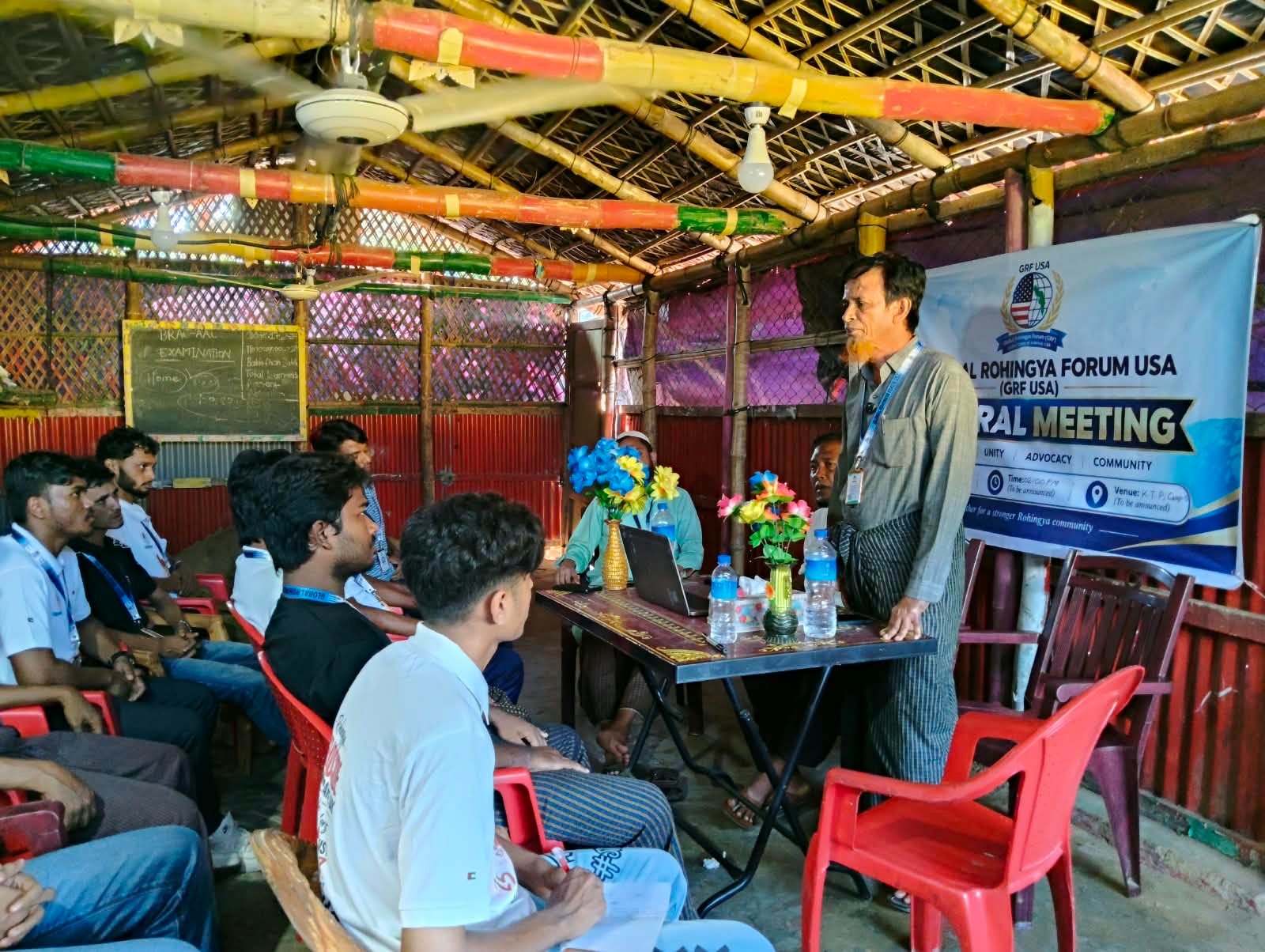
If you want to organize a conversation, begin with an agreed purpose and audience. Discuss the topic, proposed speakers, format, and use of the GRF USA name before sending invitations. An event should not be announced as an official organizational activity until the team has confirmed its involvement and responsibilities.
Community voices and permission to tell a story
A person’s name, photograph, or experience should not be treated as an unrestricted resource for a campaign. Explain where a story would appear, who would see it, and what details would be included. Do not assume that permission to take a photograph also means permission to publish it in every future context.
Children’s images and accounts require especially thoughtful handling. Supporters should follow the responsible organization’s arrangements and avoid collecting identifying information independently. A meaningful awareness activity can discuss the importance of learning, dignity, and inclusion without exposing an individual child’s private circumstances.
If you are preparing material for GRF USA, ask who will review it and how corrections will be handled. Good communication allows room to update an inaccurate detail, replace an unsuitable image, or clarify a statement. Accountability is part of respectful advocacy, not a weakness in the message.
Schools, faith groups, and organizations can take part
A group discussion can help people move from concern to understanding. Schools and universities might explore an educational session. Faith and community groups might consider a discussion about dignity and inclusion. Businesses might offer communication or professional skills. These are possible approaches to discuss with GRF USA, not a calendar of confirmed events.
A useful proposal explains who the audience is, what you hope participants will learn, and what contribution your group can make. Include practical details such as the format, available time, and a contact person. Clear expectations help the organization decide whether it can participate and what preparation would be required.
Keep fundraising arrangements separate and explicit. If an activity will invite donations, agree on the payment channel and the language used to describe the purpose. Participants should know which organization receives a contribution. Avoid implying that attendance creates membership, a formal partnership, or access to a service.
Connecting advocacy with education and community support
Awareness is stronger when it helps people understand a constructive next step. Someone learning about Rohingya rights may want to explore education and opportunity, discuss rehabilitation and community support, or contribute through community engagement. Offer those choices without suggesting that a single action resolves every challenge.
Donors can use the GRF USA donation page to reach the existing PayPal channel. Review the payment recipient and final amount on PayPal before giving. If you want to fund an advocacy-specific activity, ask the team whether that purpose can be accepted and how contributions would be handled.
Supporters can also ask for information. A thoughtful question about a proposed activity, its scope, or its reporting can improve understanding on both sides. Participation does not have to begin with a public statement. Sometimes the most useful first step is a careful conversation about what is needed.
Frequently asked questions about Rohingya advocacy
What can I do to support Rohingya rights?
Learn from credible sources, listen to Rohingya perspectives, and share information with accurate context. Contact GRF USA with a specific offer of time, communication skills, or support for an agreed activity. Confirm any use of the organization’s name before announcing an event or collecting donations.
Does GRF USA provide immigration or legal representation?
This page describes awareness and advocacy, not a legal representation service. Contact the team to clarify the scope of any current activity. General website information cannot determine someone’s legal position, application eligibility, immigration options, or the outcome of an individual case.
Can I use GRF USA photos in an awareness campaign?
Please ask first. Photographs may involve permissions, context, and limits on reuse. Tell the team which images you want to use, where they would appear, and how you would describe them. A photograph being visible online does not establish permission for an unrelated campaign.
Can our organization host an event with GRF USA?
You can propose an event through the contact page. Describe the audience, purpose, format, and possible dates, then wait for confirmation. No upcoming event or partnership is established until GRF USA has agreed to the details and its role in the activity.
How can I check a claim before sharing it?
Find the original source, check its date and location, and read the surrounding context. Distinguish recommendations from completed actions. For claims about GRF USA itself, ask the organization for the relevant information rather than treating wider humanitarian reporting as evidence of its own work.
Start an informed conversation
Call +1 (414) 204-9642, message GRF USA on WhatsApp, or contact our team. Whether you want to learn, contribute a skill, or discuss an activity, start with a clear question. We invite you to stand alongside the Rohingya community with care, accuracy, and respect.
Further reading
- United Nations Human Rights Council: Rohingya rights resolution
- OHCHR: Report on the situation of Rohingya and other minorities
These sources provide independent context and do not imply endorsement or partnership.