
Get Involved: Volunteer and Support Rohingya Communities
You can support Rohingya communities in more than one way. Time, professional skills, thoughtful fundraising, reliable information, and financial contributions can each be a starting point. Global Rohingya Forum USA Inc. (GRF USA) welcomes conversations with people and organizations who want to contribute to a mission centered on education, rehabilitation support, and human rights advocacy.
On this page
Recent community meeting
These photographs, shared by GRF USA as recent activities, show participants gathered for a general meeting. The meeting banner highlights journalism, unity, advocacy, and community. They offer a direct view of people coming together to listen and participate. Explore the Activities gallery for the complete set. Contact the team if you would like more information about the meeting or ways to support future community conversations.
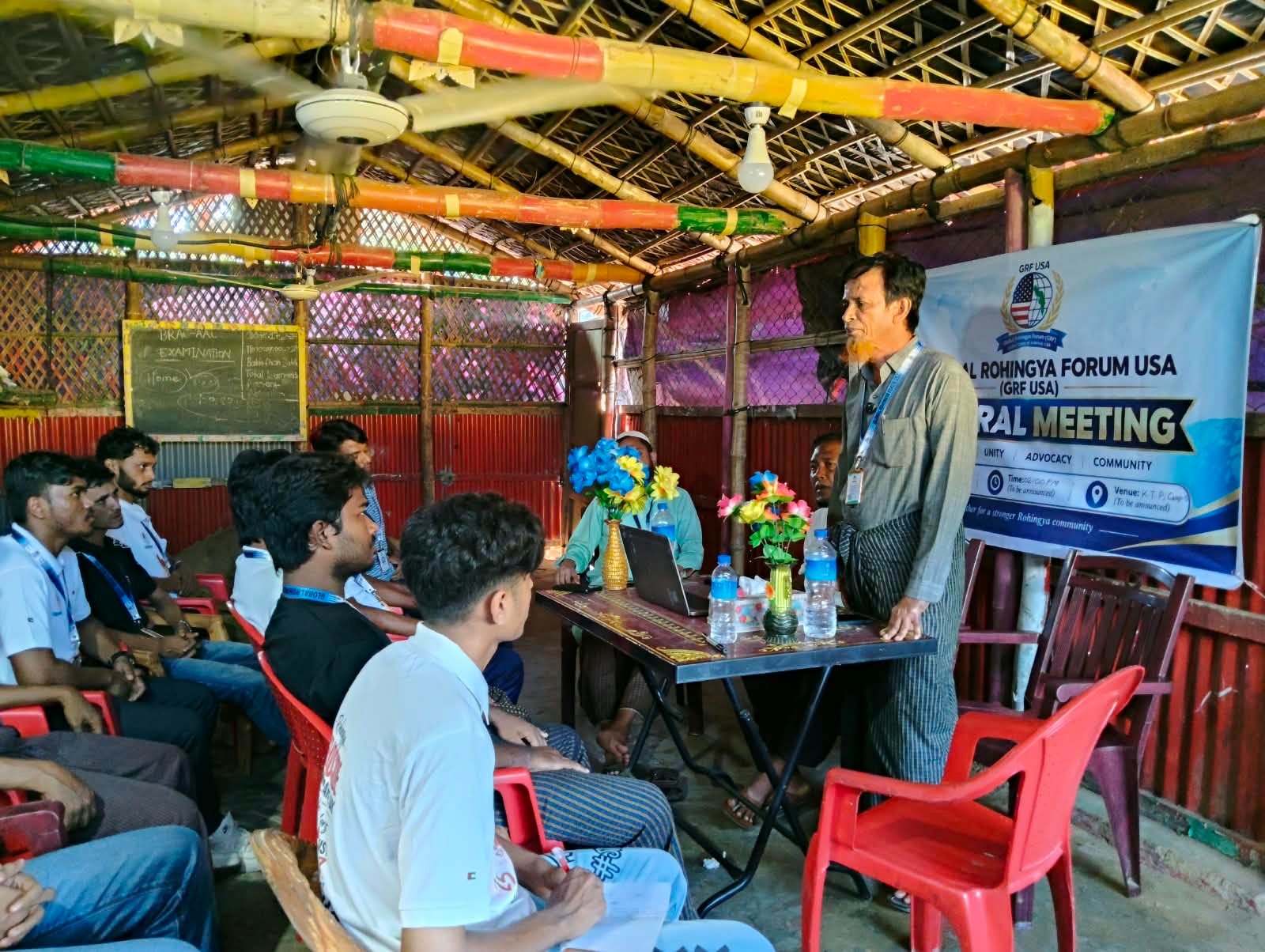
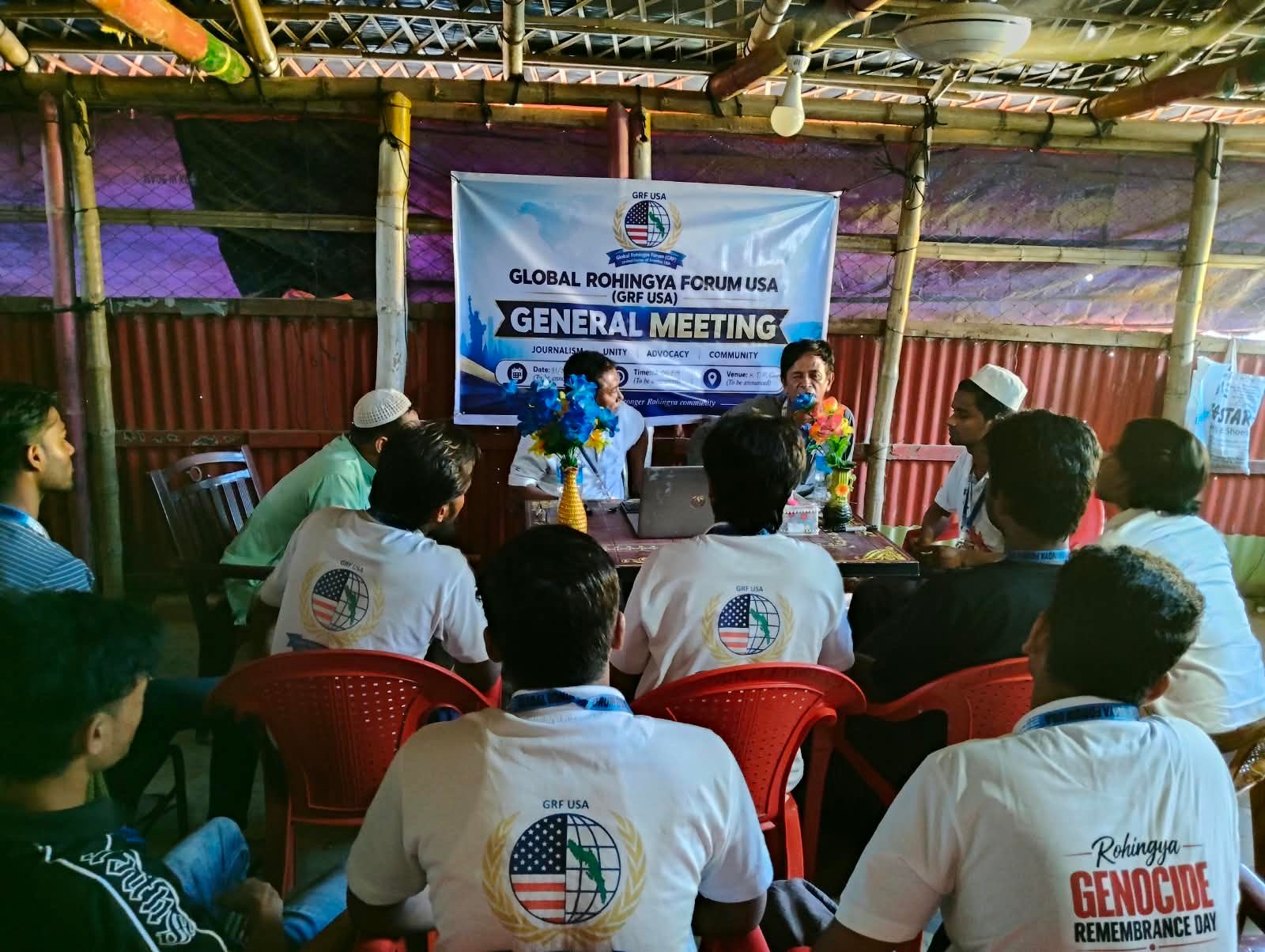
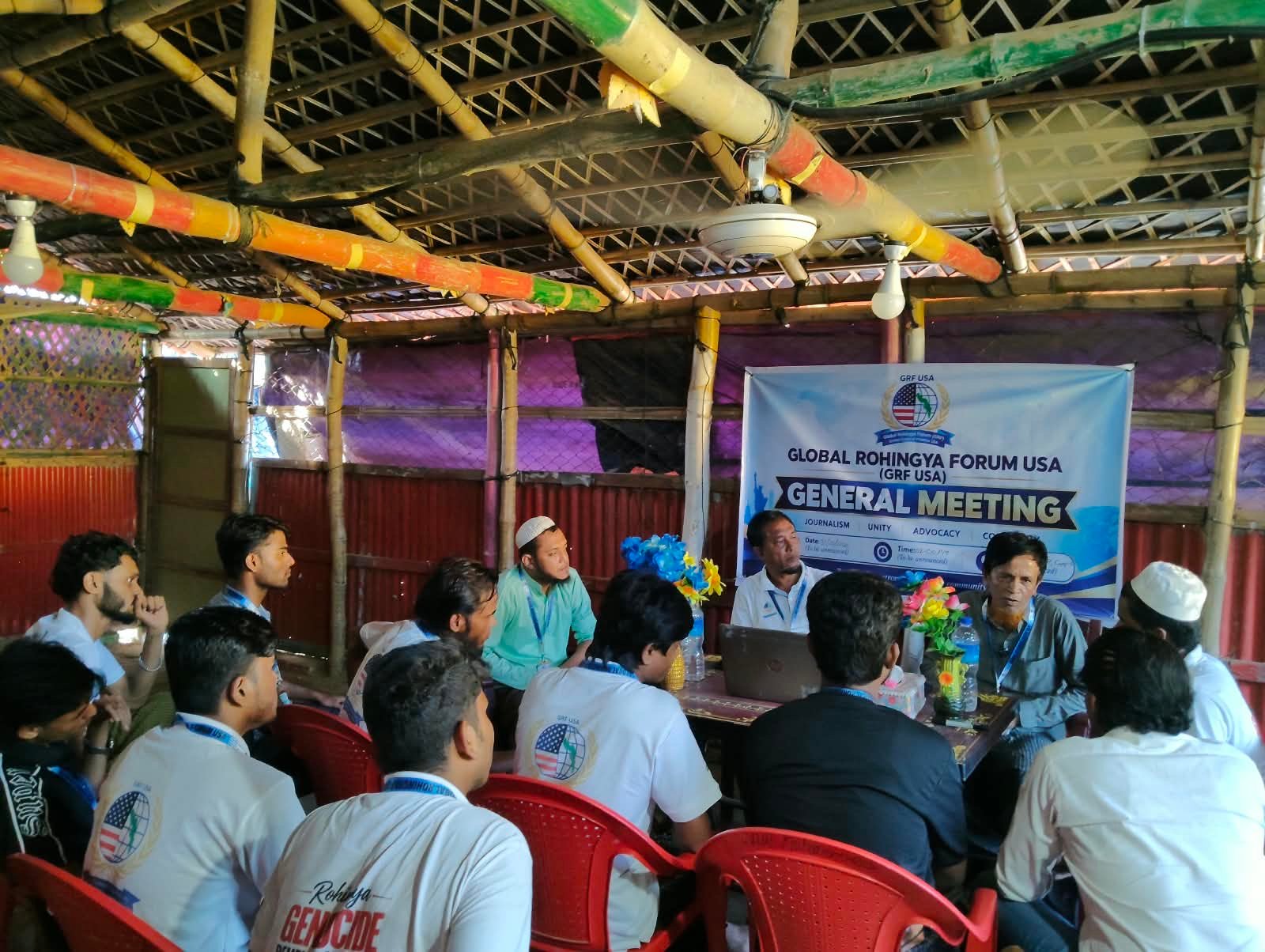
The best first step is a specific introduction. Tell us what interests you, what you can offer, and how much time you can realistically commit. Our team can discuss current needs and confirm whether a suitable opportunity is available. This page offers ways to begin; it is not a list of guaranteed placements, open jobs, travel programs, or scheduled events.
Find a way to contribute that fits your life
A useful commitment does not have to be large. Someone with a small, dependable amount of time may be able to help with a clearly defined task. Another person may prefer to make a financial contribution, introduce a potential partner, or share an approved piece of educational information. Start with what you can sustain.
Consider your interests as well as your skills. Are you drawn to education, communications, community conversations, event coordination, or organizational support? A clear preference gives the team a better starting point than a broad promise to help with anything. It also helps you choose work that you are more likely to maintain.
Be honest about constraints. Work schedules, family responsibilities, location, language, and access to technology can all shape a commitment. Sharing those details at the beginning is useful. The purpose of an introductory conversation is to explore a practical fit, not to persuade you to promise more than you can deliver.
Volunteer your time and skills
If you are interested in volunteering with a Rohingya-focused organization, describe the contribution you have in mind. Teaching experience, writing, editing, translation, design, coordination, and other professional skills may provide useful starting points for a discussion. GRF USA will confirm which tasks, if any, currently match its priorities and capacity.
Make your offer concrete. Instead of saying you can handle communications, explain whether you can review a short article, format approved materials, or help organize an agreed schedule. Mention any relevant experience and the time you can make available. Specific offers are easier to assess and coordinate.
Wait for a confirmed role before starting work on the organization’s behalf. Ask who will supervise the task, which materials you should use, how questions will be handled, and what completion looks like. This protects your time and helps the team avoid duplicate work or misunderstandings about who is responsible.
Support education and learning
People interested in learning can explore our education and opportunity page. You do not have to be a classroom teacher to begin a conversation. Depending on current needs, a discussion might involve educational communication, reviewing materials, relevant language experience, or support for an agreed fundraising purpose.
Ask about suitability before collecting books, equipment, or other supplies. Useful materials should match learners’ ages, language, setting, and actual needs. Shipping and storage may also affect whether an offer is practical. A conversation with the team can help you direct resources toward a purpose that has been confirmed.
If a proposed activity involves children or young people, discuss the responsible organization’s arrangements before participating. Follow the agreed boundaries for communication, photographs, and personal information. Do not arrange direct access to learners independently or assume that volunteering includes permission to collect or share their stories.
Contribute to community support
Our rehabilitation and community support page explains the broader focus on rebuilding connection, stability, and opportunity. If that area interests you, tell the team what kind of contribution you are considering. A defined skill, a practical resource, or an introduction to an organization may be a useful way to begin.
Be clear about the limits of your offer. A professional background does not by itself establish a role, a service arrangement, or permission to represent GRF USA. Discuss scope, responsibilities, and appropriate coordination before providing advice or describing an activity publicly. The team can confirm whether there is a suitable next step.
Community participation should be guided by people’s priorities. Listen carefully rather than assuming what another person needs. The goal is to contribute to an agreed purpose and respect individual choices. An offer that changes after listening can be more useful than a fixed plan developed without community input.
Help raise awareness responsibly
If you enjoy writing, research, conversation, or public communication, explore our Rohingya advocacy and rights page. Start by learning from credible sources and understanding the distinction between the wider humanitarian situation and a particular organization’s work. A clear explanation with a reliable source is a valuable contribution to public understanding.
Ask GRF USA which materials can be shared and how the organization should be described. Do not assume permission to use its name, logo, photographs, or personal stories in a campaign. Before publishing new material on its behalf, agree on review, attribution, and how corrections or questions will be handled.
Respectful awareness includes listening. A conversation should make room for Rohingya perspectives and avoid treating community members only as examples of hardship. You can help by asking thoughtful questions, checking facts, and sharing information in a way that recognizes dignity, ability, and individual choice.
Start a fundraiser with a clear purpose
A fundraiser can bring a group together around a shared commitment. Before inviting contributions, discuss your idea with GRF USA. Explain the audience, proposed format, purpose, and how you intend to collect funds. The team can confirm whether the activity can proceed in its name and what arrangements would be appropriate.
Use clear language about where contributions go. The official donation page provides the existing PayPal channel used for the GRF USA mission. Donors should review the recipient and amount before completing payment. If you plan to collect funds another way or request a designated purpose, agree on those details before launching an appeal.
Think about practical details, including any expenses, permissions, and responsibility for records. Avoid promising that a particular dollar amount delivers a specific result unless the organization has provided evidence for that claim. A straightforward explanation of the purpose and donation channel is more trustworthy than an unsupported promise.
Build a partnership with your organization
Businesses, schools, universities, faith groups, and community organizations can introduce a possible collaboration. Describe your group’s interests and what you can contribute. A useful proposal identifies a specific resource or capability, a coordinator, a realistic time frame, and the support you would need from GRF USA.
Possible conversations might focus on educational awareness, a professional skill contribution, or an agreed community fundraiser. These examples do not establish an active partnership or an available program. The team will need to assess whether the idea fits current priorities, resources, and responsibilities before making any commitment.
Discuss public communication before announcing a collaboration. Agree on how each organization may use names and logos, what the activity includes, and who will respond to questions. A shared understanding at the beginning reduces confusion later and helps participants explain the purpose accurately to their own communities.
What to include in your first message
Introduce yourself or your organization, then describe your main area of interest. Include relevant skills, languages, and experience, along with your approximate availability. Say whether you are looking for a remote task, an in-person activity, a fundraising conversation, or a possible partnership. Avoid sending sensitive personal documents in the first inquiry.
If you already have an idea, summarize it briefly. Explain who would take part, the contribution you could make, and any time constraints. You do not need a polished proposal. A clear outline is enough to begin a useful discussion and identify what information is missing.
Our contact page prepares an email draft in your email application. You must review and send that email to complete the inquiry; filling out the form alone does not send a message. You can also call +1 (414) 204-9642 or contact us on WhatsApp.
Before you make a commitment
Ask what the task involves and what is outside its scope. Confirm who your contact will be, how work will be reviewed, and whether there are any participation requirements. If there are costs, travel expectations, or material needs, discuss them before spending money or making arrangements.
Agree on a manageable beginning. A clearly defined first task gives everyone a chance to understand how the collaboration works. Decide how you will share progress and raise questions. If circumstances change, communicate early so the team can adjust plans rather than relying on an uncertain commitment.
Frequently asked questions about getting involved
How do I volunteer with GRF USA?
Send an introduction through the contact page, email, phone, or WhatsApp. Describe your interests, skills, and availability. The team can discuss current needs and confirm a suitable next step. An inquiry does not automatically create a placement or authorize work in the organization’s name.
Can I volunteer remotely?
You can ask about remote opportunities and describe the task or skill you could offer. Remote work may be suitable for some kinds of communication or organizational support, but availability must be confirmed. Include your time zone and a realistic schedule so the team can assess the fit.
Do I need previous nonprofit experience?
You can introduce yourself whether or not you have worked with a nonprofit before. Explain what you can reliably contribute and what guidance you would need. The requirements will depend on the particular role; professional or specialist tasks may call for relevant experience and agreed supervision.
Can my school, business, or faith group help?
Yes, groups can propose a collaboration or fundraiser. Share your purpose, resources, audience, and contact person. Wait for GRF USA to confirm the arrangements before advertising a joint activity, using organizational branding, or asking others to contribute to a project in its name.
Can I organize an event or visit a project?
Discuss the proposal directly with the team. Event dates, visits, access, and supervision require specific arrangements. Do not assume that an online photograph or expression of interest establishes an invitation. Please wait for confirmation before announcing an event, booking travel, or making commitments to participants.
Can I help without volunteering?
Yes. You can explore donating, introduce a potential partner, learn more about Rohingya rights, or share approved information responsibly. Choose an action that fits your circumstances. If you are uncertain where to begin, tell the team what interests you and ask for a practical starting point.
Take the next step
Explore our community photos and video, read about our three focus areas, and choose one way you would like to contribute. Then start a conversation with GRF USA. A clear offer, an open mind, and a commitment you can maintain are strong foundations for getting involved.